Bee Venom (Apitoxin): The Liquid Gold Extracted Without Harming a Single Bee
1. Introduction: The Truth Behind the Bee Sting

For generations, a pervasive myth has dominated our understanding of honeybees: the belief that a bee must inevitably sacrifice its life the moment it uses its most potent weapon. It is a widely accepted, almost romanticised notion that a bee sting is a one-way ticket to death, leading many to assume that harvesting bee venom requires the mass slaughter of these vital pollinators. This dramatic narrative naturally begs a critical question: how can commercial bee venom — often referred to as "liquid gold" and highly sought after in luxury cosmetics and alternative medicine — be gathered sustainably without wiping out entire colonies? The answer lies in unravelling the fascinating biological mechanics of the sting itself, separating fact from fiction.
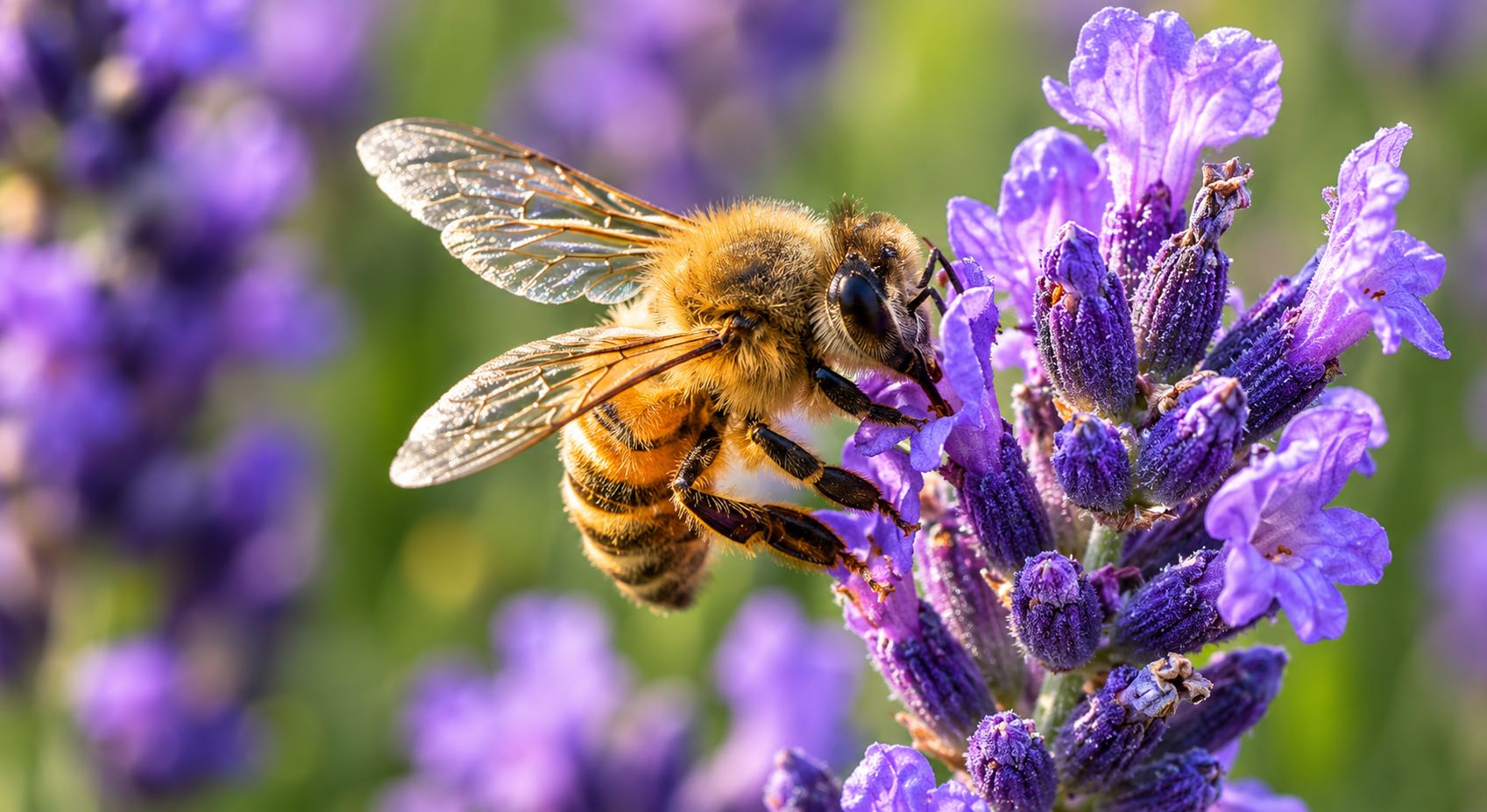
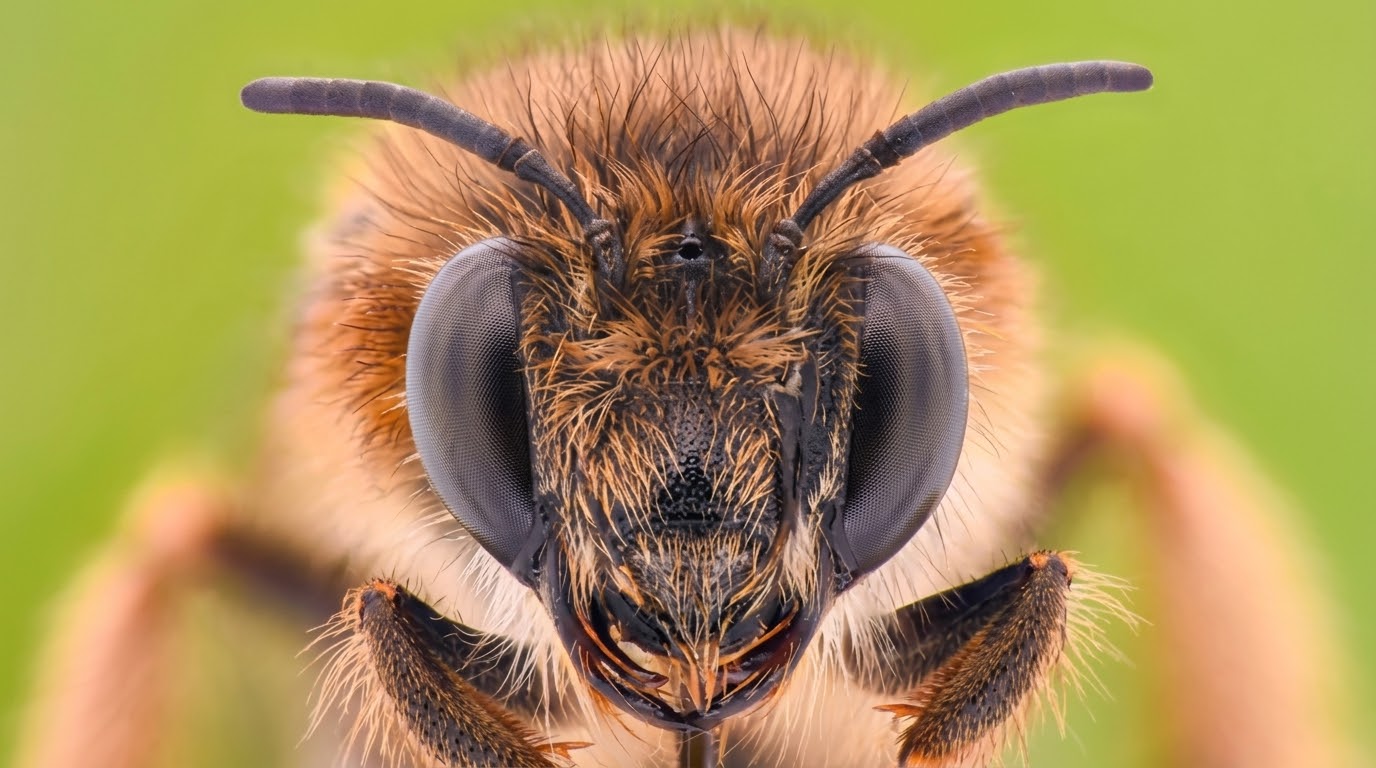
To understand why bees survive the collection process, we must first understand why they die when they sting us. The tragic fate of a stinging honeybee is not a flaw in its design, but rather a highly specific biological reaction that occurs only when interacting with certain targets. A worker honeybee possesses a remarkably complex, barbed stinger that microscopically resembles a jagged saw or a tiny fishhook. When a bee feels threatened and strikes a human or any other mammal, this barbed needle easily pierces the soft, thick, and highly elastic skin. The fatal issue arises not from the act of injecting the venom, but from the physical nature of mammalian flesh. Our skin instantly contracts around those microscopic barbs, trapping the stinger firmly in place like an anchor. As the bee instinctively attempts to fly away, the stinger remains embedded, violently tearing away the venom sac, attached muscles, nerves, and even portions of the bee's lower digestive tract. It is this catastrophic abdominal injury — not the loss of venom — that ultimately causes the bee to perish.
Herein lies the fundamental difference that makes modern, sustainable venom harvesting entirely possible: the surface being stung. The fatal trapping of the stinger is strictly dependent on the fibrous, elastic texture of mammalian skin. If a bee stings a hard, impenetrable, or non-fibrous surface, its stinger simply cannot get stuck. In the precise and humane process of commercial venom collection, this crucial biological loophole is brilliantly exploited. Beekeepers utilise a specialised setup that triggers the bees' natural defensive instincts to release their venom, but provides a completely different target. Because the collection surface does not trap their barbed stingers, the bees can strike, deposit a tiny drop of venom, and gracefully retract their stingers with zero resistance — flying away unharmed, returning to their colony to continue their daily tasks as if nothing happened.
2. The Technological Secret: How the Glass Collection Plate Works
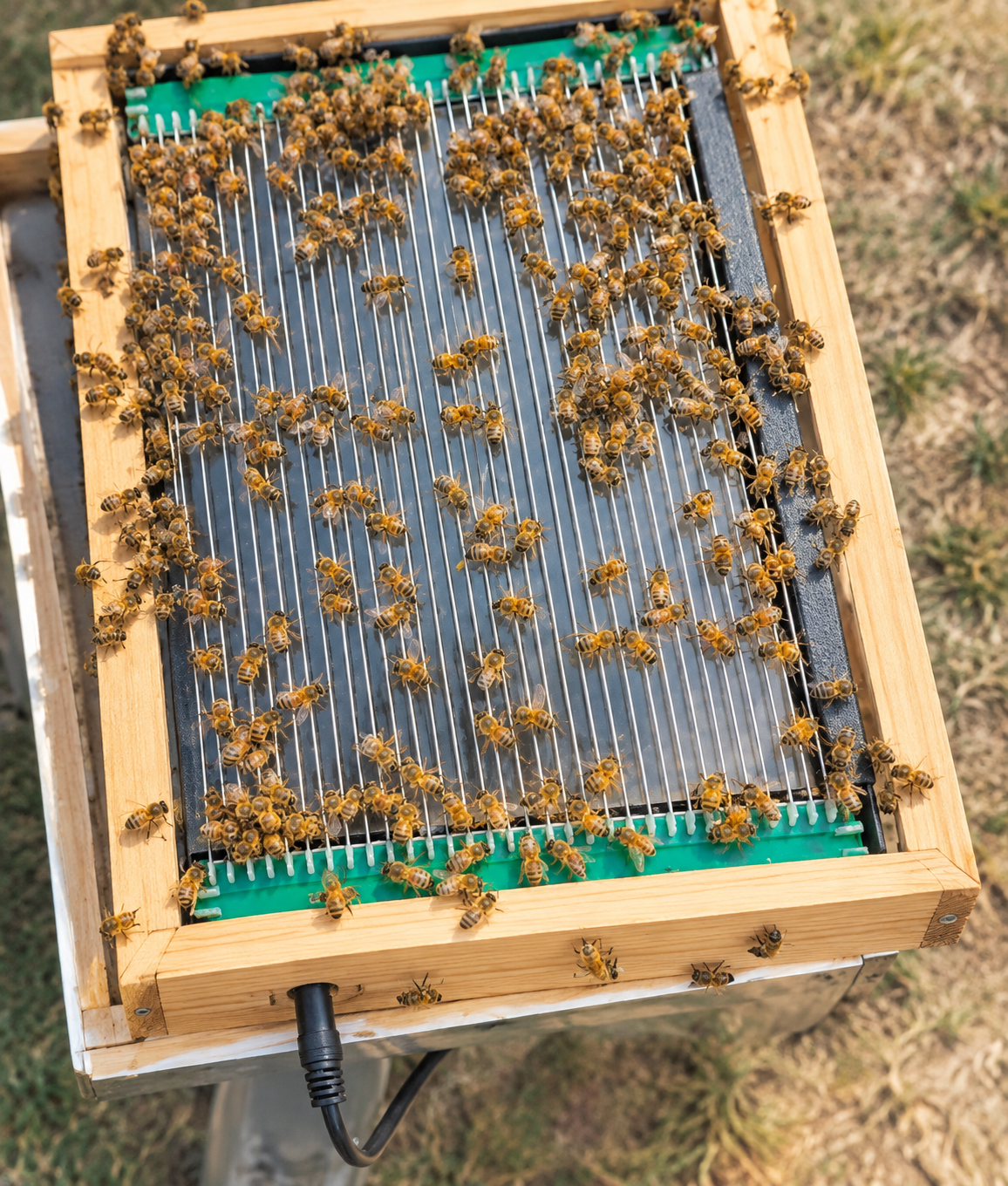
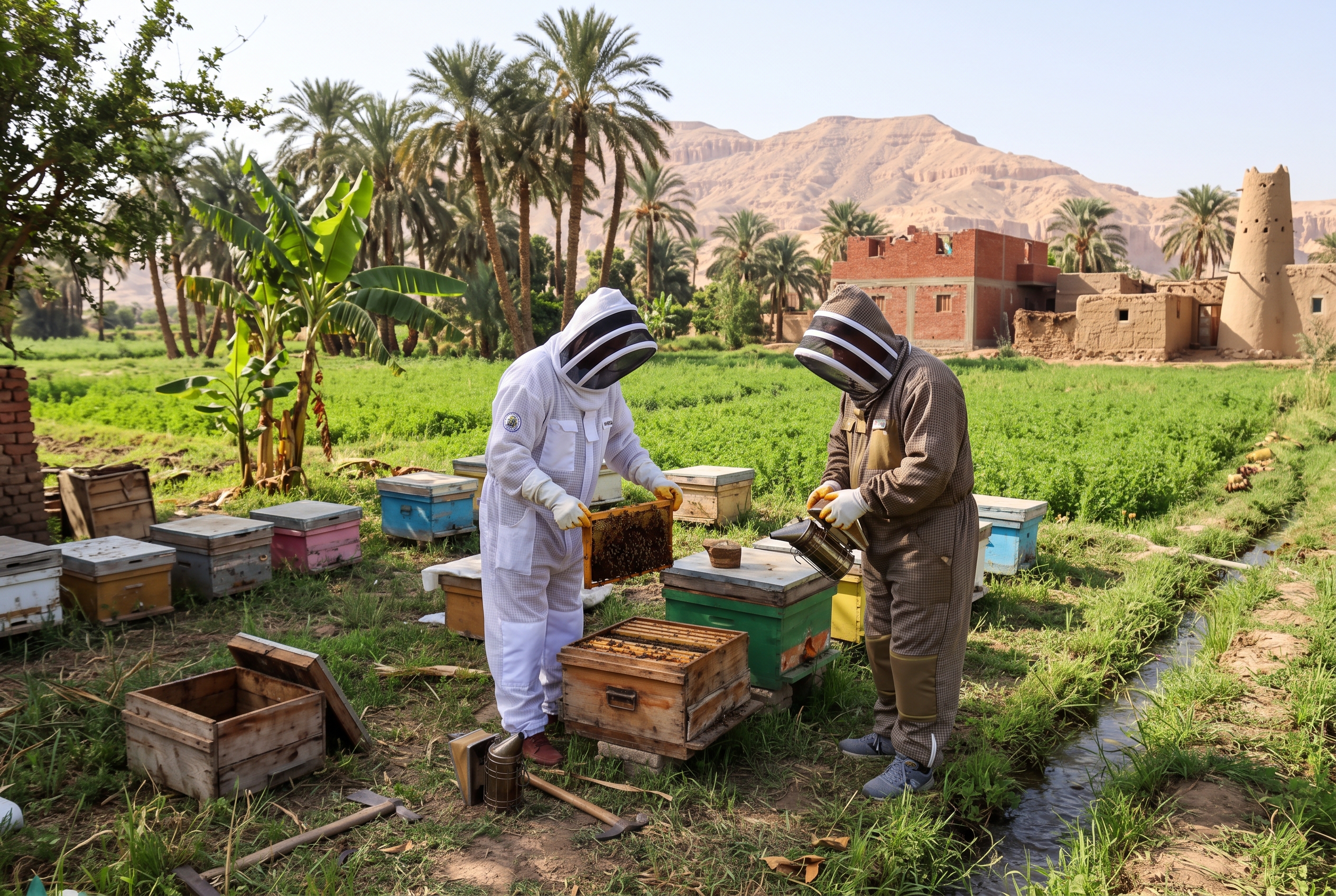
At the heart of this humane and sustainable extraction process lies a remarkably simple yet ingeniously designed piece of equipment: the venom collection frame. This device represents the perfect intersection of technology and biology, allowing humans to harvest a valuable resource while strictly respecting the anatomy and life cycle of the honeybee. To initiate the collection process, skilled beekeepers strategically place these specialised frames either directly at the bustling entrance of the beehive or inside the hive on top of the brood frames. The timing is also crucial; this is typically done during peak hours when the colony's activity is at its highest.
The anatomy of the collection frame itself is fascinating. The primary component is a sturdy, completely smooth, and sterile pane of glass. Suspended just millimetres above this glass — or sometimes woven directly flush against its surface — is a meticulously arranged grid of fine, highly conductive wires, usually made of copper or stainless steel. The true "secret" of the operation begins when this wire grid is connected to a specialised power box. This controller delivers a continuous sequence of very mild, low-voltage electrical impulses across the wires. It is vital to emphasise that this current is rigorously calibrated: strong enough to be felt by the insects, yet entirely non-lethal — often just a few volts — ensuring zero electrocution and no physical damage to the bees.
As worker bees naturally march across the wired glass plate, the faint electrical pulse acts as a sudden, mild irritant beneath their feet. Their highly sensitive nervous systems immediately interpret this strange vibrating sensation as a localised environmental threat. Alarm pheromones are released, signalling nearby guard bees to join the defence. In a coordinated, instinctive reaction, the agitated bees curve their abdomens downward and aggressively attempt to sting the perceived source of the irritation — the glass surface directly beneath them.
This is where the biological loophole is executed flawlessly. As the bee thrusts its stinger downward with full force, the microscopic barbed needle strikes the completely smooth, impenetrable glass. The bee successfully flexes its venom sac muscles, pumping a tiny, microscopic droplet of perfectly clear liquid venom onto the hard surface. However, because glass utterly lacks the fibrous, elastic structure of mammalian skin, the backwards-facing barbs have absolutely nothing to catch onto. The bee experiences zero resistance, effortlessly retracts its stinger, and walks away unharmed. To prevent over-stressing the colony, beekeepers run the electrical pulses in short intervals — often just 20 to 45 minutes per hive — before removing the frames.
3. The Harvest: Crystallisation and the Delicate Art of Scraping
Once the designated collection period concludes and the electrical controller is powered off, the agitated bees gradually calm down. What they leave behind on the sterile glass pane is the highly coveted prize: thousands of microscopic, crystal-clear droplets of raw, liquid bee venom. Harvesting this potent substance requires precise timing, meticulous care, and a deep understanding of the venom's chemical volatility.
Freshly deposited liquid bee venom is composed of approximately 88% water, with the remaining fraction consisting of a complex, highly concentrated cocktail of active proteins, peptides — most notably Melittin — enzymes, and amino acids. Because the individual droplets are incredibly tiny and ambient air around a beehive is warm and well-ventilated, a rapid physical transformation occurs. The water content evaporates almost instantaneously. Within mere minutes the droplets dry out completely, leaving behind a fine, powdery, frosty-looking film on the glass. This dry residue — ranging in colour from pure snow-white to pale yellowish-amber depending on the bees' diet and the season — is the pure, concentrated venom powder known scientifically as Apitoxin.
At this stage the beekeeper's job transitions to careful, laboratory-style extraction. The glass plates are transported to a clean, climate-controlled, wind-free indoor environment. Because dry Apitoxin is an incredibly lightweight and violently potent bio-active dust, any sudden gust of wind could blow the valuable yield away — and inhaling airborne venom dust or getting it in the eyes causes severe allergic reactions. The harvester therefore wears airtight safety goggles, heavy-duty respiratory masks, and surgical gloves.
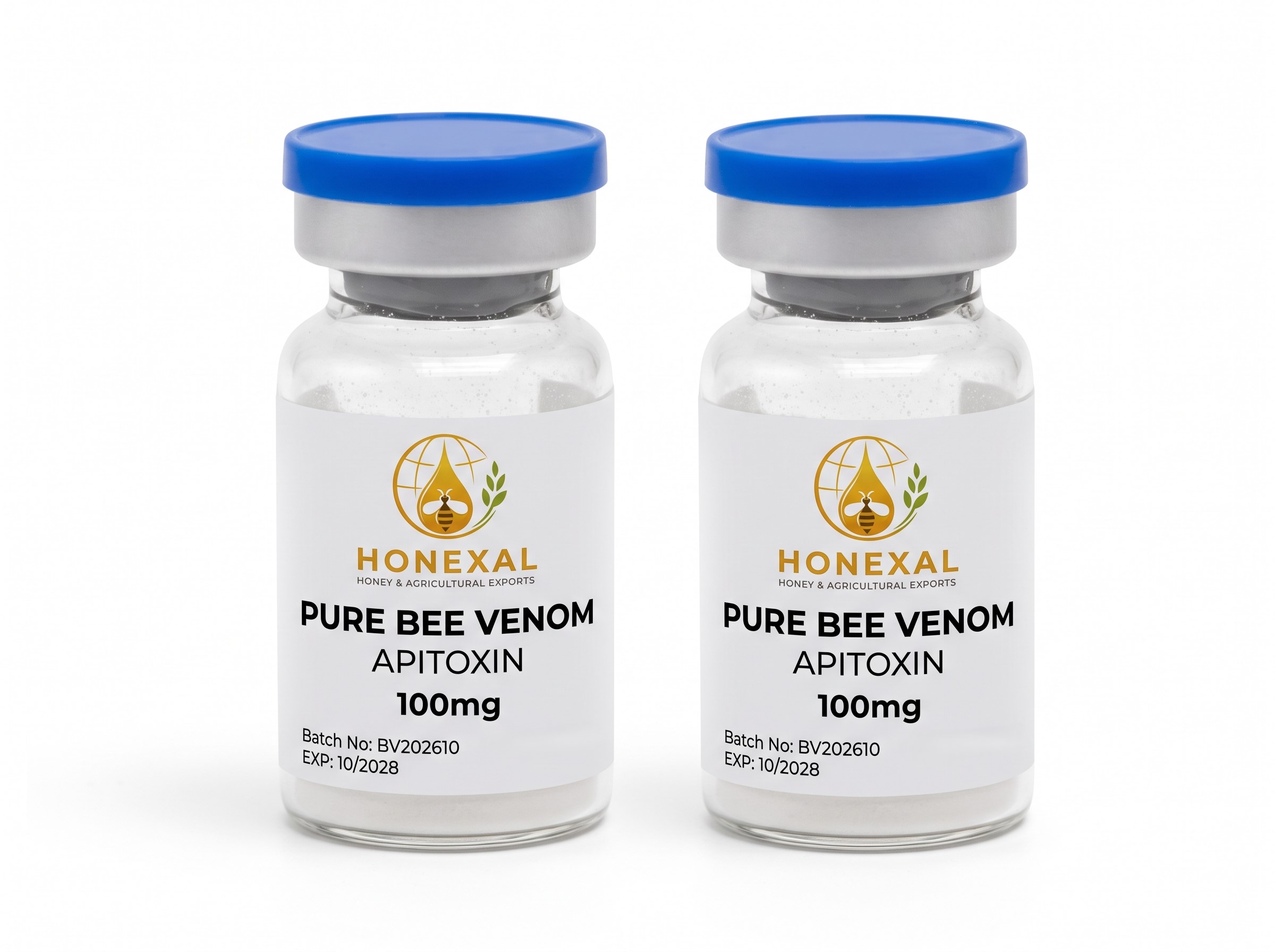
Using razor-sharp medical scalpels or wide, sterile scraper blades, the beekeeper systematically shaves the crystallised venom off the glass. As the blade glides across the surface, the frosty film flakes off and accumulates into tiny mounds of precious powder. This powder is then funnelled into dark, UV-protected, airtight glass vials. Storing in dark, airtight containers is crucial — exposure to sunlight, humidity, or oxygen rapidly degrades the delicate active enzymes and ruins the venom's therapeutic properties.
To truly grasp the value behind this harvest, consider the astonishing mathematics: a single bee deposits only a fraction of a milligram per sting. It typically requires the combined harmless stings of 10,000 to 15,000 individual honeybees to produce just one single gram of dry Apitoxin. This incredibly low yield, combined with the intense labour, specialised equipment, and extreme care required, perfectly explains why bee venom is among the most expensive natural substances in the agricultural world — often fetching prices far higher than pure gold.
4. The Liquid Gold: Why Harvest Bee Venom?
Having explored the intricate, non-lethal extraction process and the painstaking harvesting methods, the ultimate question remains: why go through such immense effort? The answer lies in the profound biological properties of Apitoxin, which have ignited massive, global demand across two major industries: luxury cosmetics and alternative medicine. This dried venom is not just an agricultural byproduct; it is a highly concentrated, bioactive compound containing a unique matrix of peptides, enzymes, and amino acids that offer remarkable benefits to the human body.
In the high-end skincare and beauty industry, bee venom has earned the famous moniker of "nature's Botox." Its application in anti-aging creams and serums relies on a brilliant biological trick. When a cosmetic product containing trace amounts of purified bee venom is applied topically, the skin's nerve pathways interpret this sensation as a very mild, localised sting. In response, the body triggers a rapid healing reaction: it drastically increases blood circulation to the facial tissues and, most importantly, stimulates a massive surge in the natural production of collagen and elastin. Over continuous use, this natural regenerative process plumps the skin, smooths out fine lines, and significantly reduces the appearance of wrinkles — offering a completely natural, non-invasive alternative to synthetic cosmetic injections.
Beyond aesthetics, bee venom plays a critical and deeply historical role in a specialised branch of alternative medicine known as Apitherapy. The clinical superstar within the venom's chemical makeup is a powerful active peptide called Melittin, which constitutes about 50% of the dry venom's weight. Melittin is an exceptionally potent natural anti-inflammatory agent — pharmacological studies have suggested it is vastly more powerful than traditional steroid treatments like hydrocortisone. Because of this, purified bee venom is extensively used to treat debilitating chronic inflammatory conditions, most notably rheumatoid arthritis, osteoarthritis, and severe joint pain. When administered by medical professionals — through targeted micro-injections, specialised acupuncture, or potent medicinal balms — the venom works to aggressively dismantle inflammation at the cellular level, drastically reducing joint swelling, alleviating agonising chronic pain, and restoring mobility to patients who have found little relief in conventional pharmaceuticals.
Ultimately, the process of safely extracting bee venom represents a perfect harmony between human innovation and ecological respect. By utilising the conductive glass collection plates, scientists, beekeepers, and medical professionals can tap into the profound, life-changing healing properties of this biological marvel without sacrificing a single honeybee. It transforms a mechanism of defence into a mechanism of healing — ensuring that the hive continues to thrive while providing humans with one of the most remarkable natural medicines on earth.