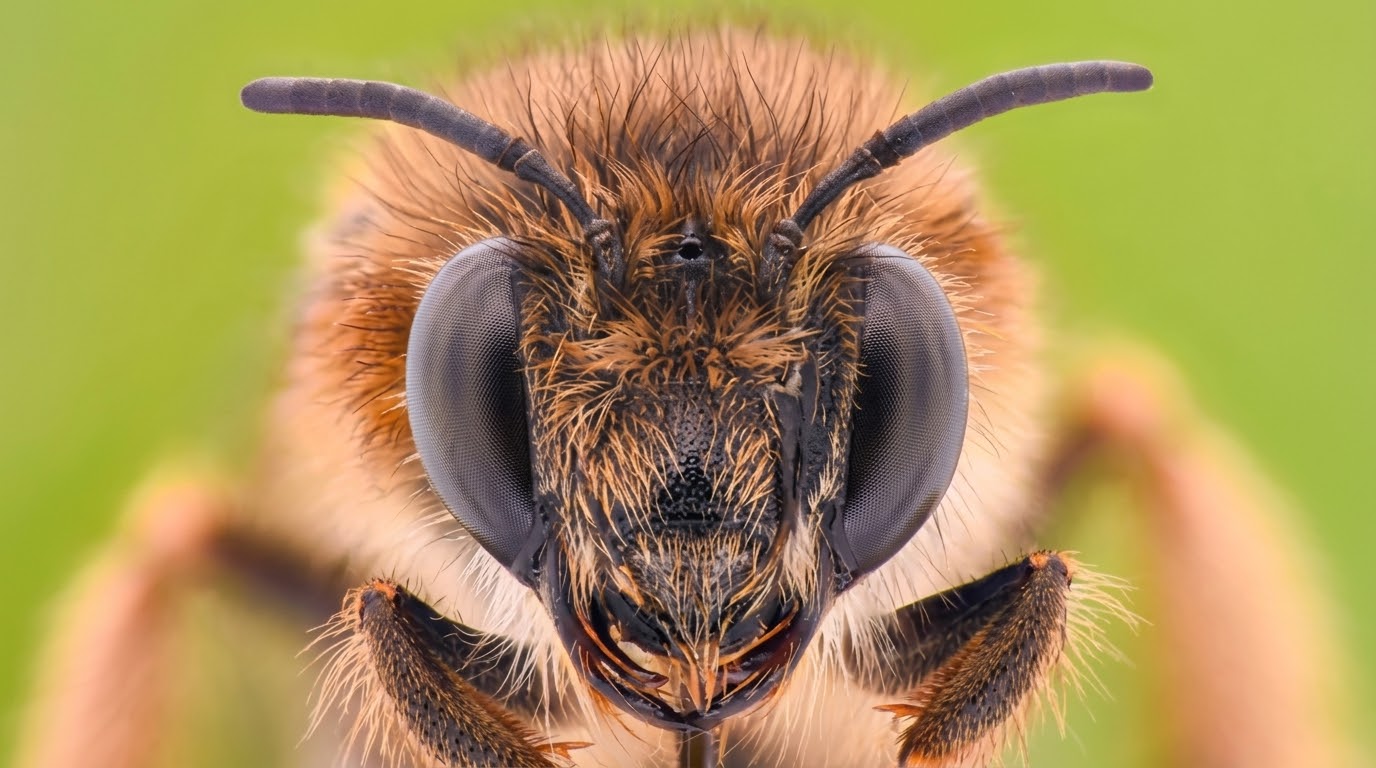
The Truth Behind Bee Venom Extraction: Does It Regenerate, and Are the Bees Harmed?
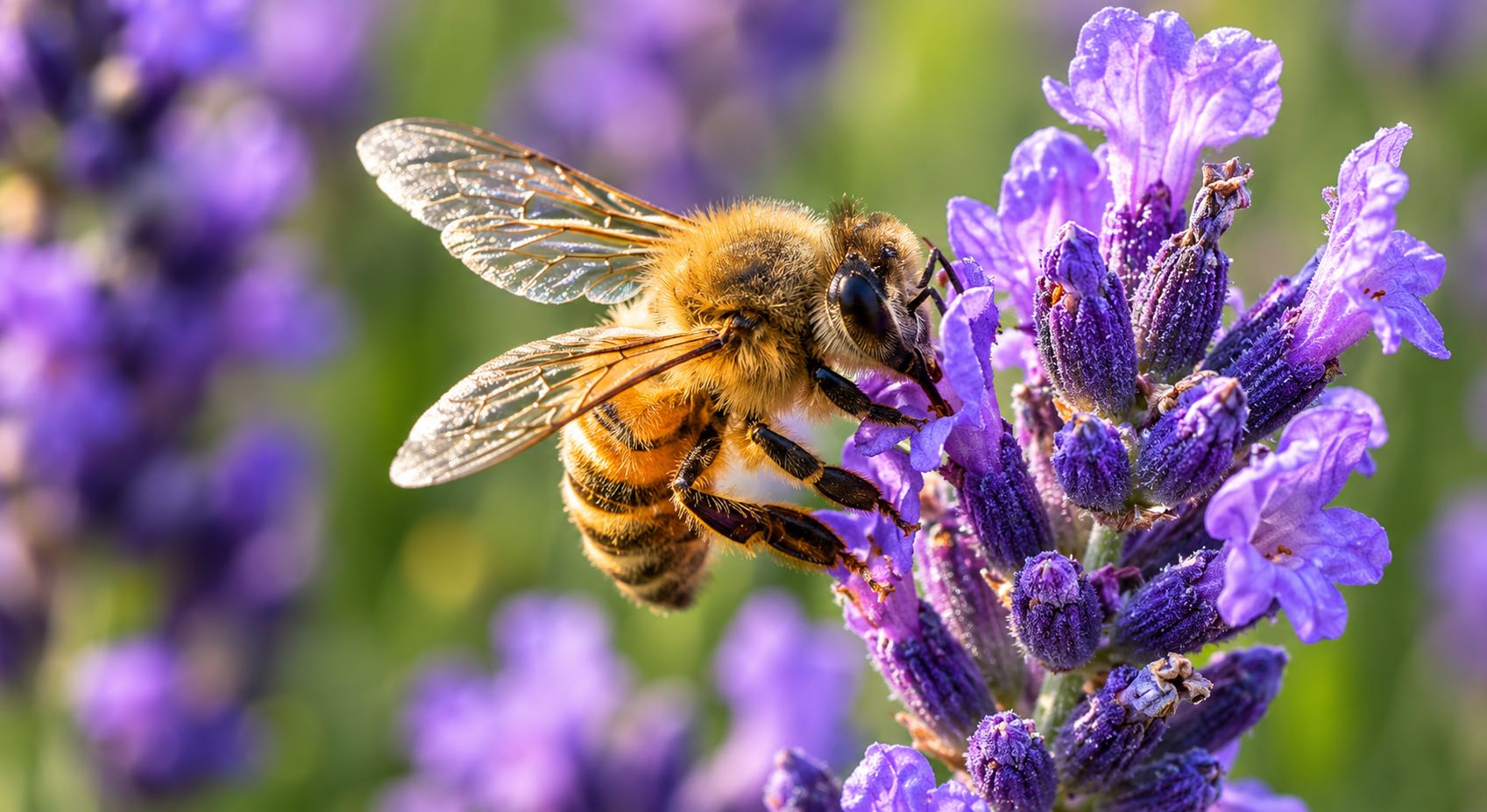
1. Introduction: Apitoxin — The Liquid Gold and the Evolution of Modern Extraction
The venom of Apis mellifera (the Western honey bee), scientifically known as Apitoxin, has earned the title of “liquid gold” for a very compelling reason. This complex biological cocktail is packed with powerful peptides, enzymes, and amino acids — most notably Melittin. Its remarkable anti-inflammatory, antibacterial, and regenerative properties have made it a highly sought-after compound in the medical, pharmaceutical, and high-end cosmetic industries, utilised in everything from alternative arthritis therapies to advanced anti-aging skincare.
Historically, the collection of bee venom was a rudimentary process that often resulted in the loss of bees, raising valid ethical concerns. However, modern apiculture science has achieved a landmark breakthrough: a precise, humane, and extraordinarily efficient method of collecting pure Apitoxin without harming a single bee. Two fundamental questions drive this exploration: Does bee venom regenerate after collection? And are the bees truly unharmed?
2. The Biological Secret: Why Bees Survive the Collection Process
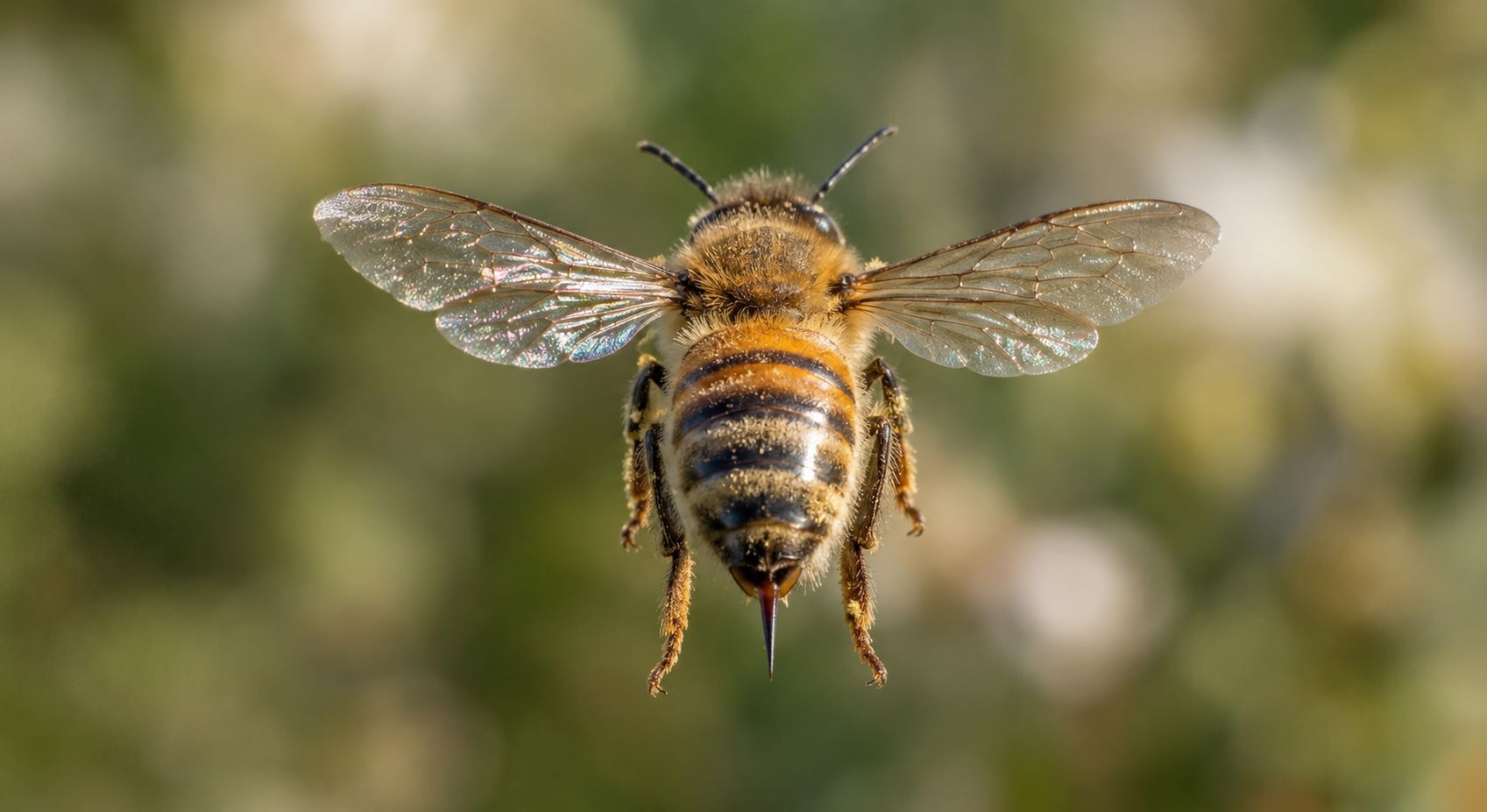
A worker honeybee possesses a barbed stinger tipped with microscopic, backward-facing serrations. When the stinger plunges into soft mammalian skin, these barbs instantly interlock with the elastic connective tissue. As the bee pulls away, the flesh refuses to release the stinger, catastrophically tearing away the venom sac, muscles, digestive tract segments, and nerve ganglia — an abdominal evisceration that is invariably fatal.
It is absolutely critical to understand: the bee does not die because it lost its venom. It dies because its internal organs are torn out by the mechanical grip of skin. The venom itself is biologically replenishable — the venom glands of a healthy worker bee continuously produce Apitoxin throughout her lifespan, reaching full capacity within two to three weeks after a sting in which the stinger is retracted intact.
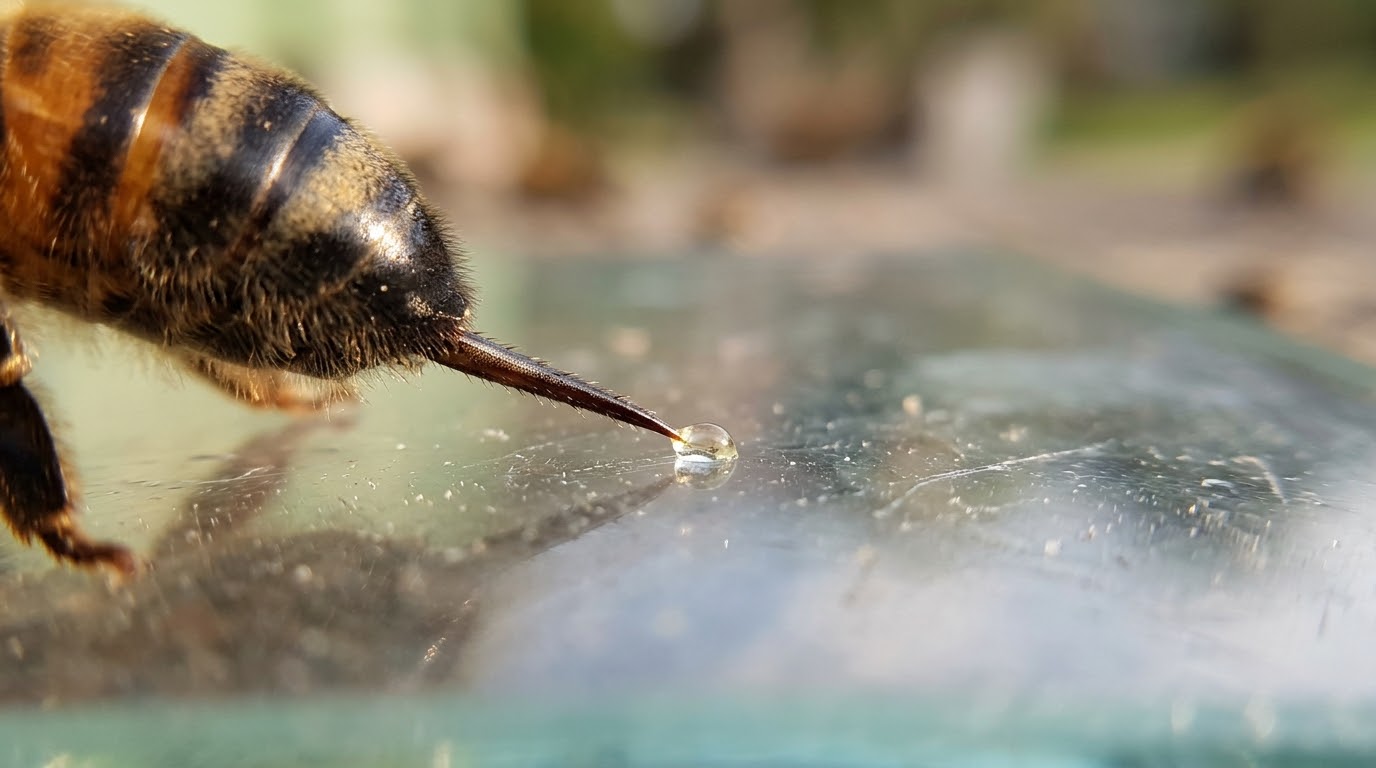
Modern collection technology exploits this biological reality with elegant precision. When a bee stings glass, its barbed stinger finds nothing to anchor into. The bee pumps its venom onto the surface, experiences zero mechanical resistance, retracts its stinger fully intact, and walks away without a scratch — instinctively returning to its hive duties as if the event never occurred.
3. The Technology: Inside the Venom Collection Device
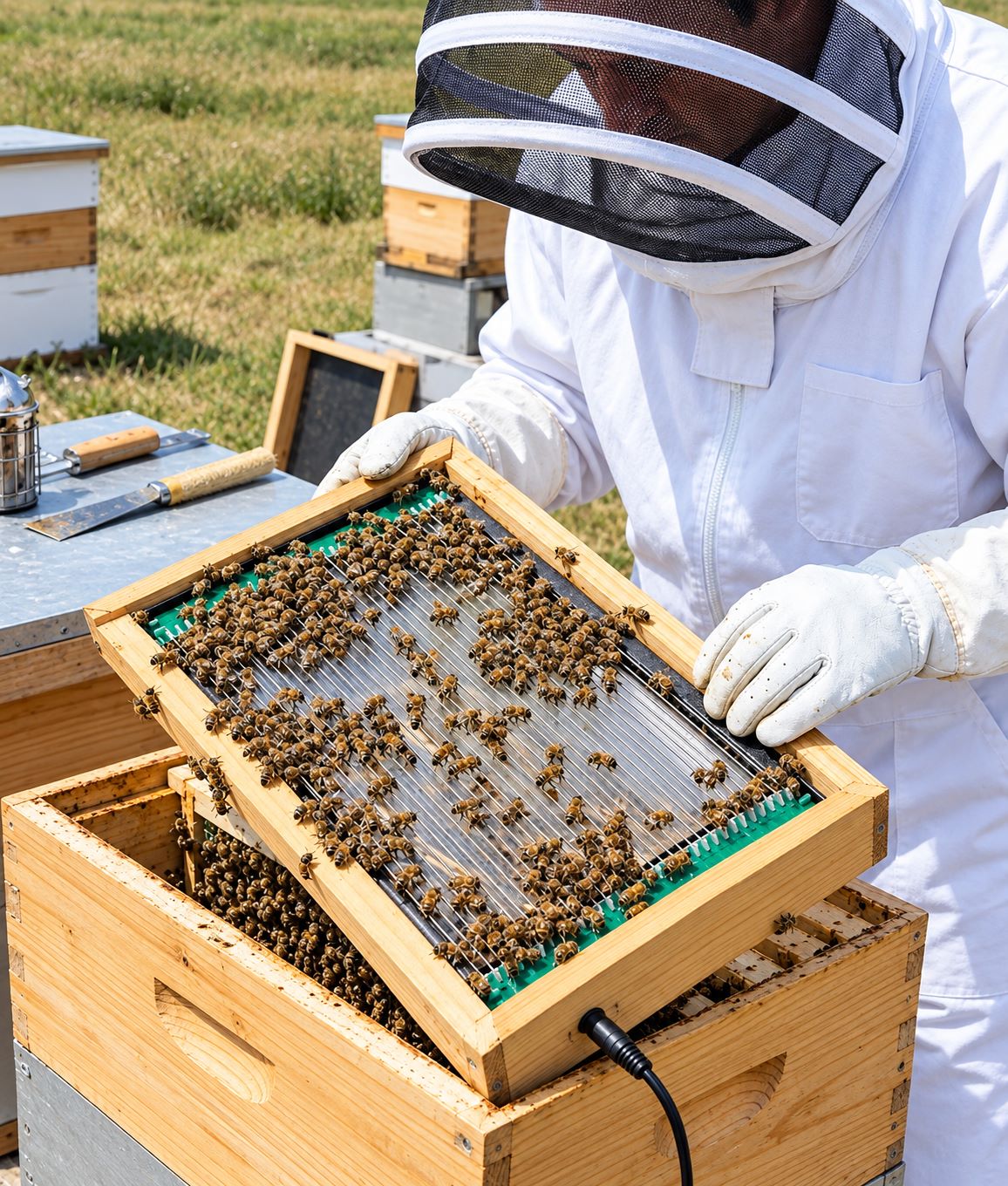
The centrepiece of the entire operation is the venom collection frame, consisting of three core elements:
- A sterile, optically smooth glass pane — the absolute smoothness prevents the stinger from anchoring.
- A conductive wire grid — fine copper or stainless steel wire, stretched millimetres above the glass surface.
- A calibrated low-voltage electronic controller — sending intermittent pulses of typically 3 to 12 volts, strong enough to irritate, yet completely non-lethal.
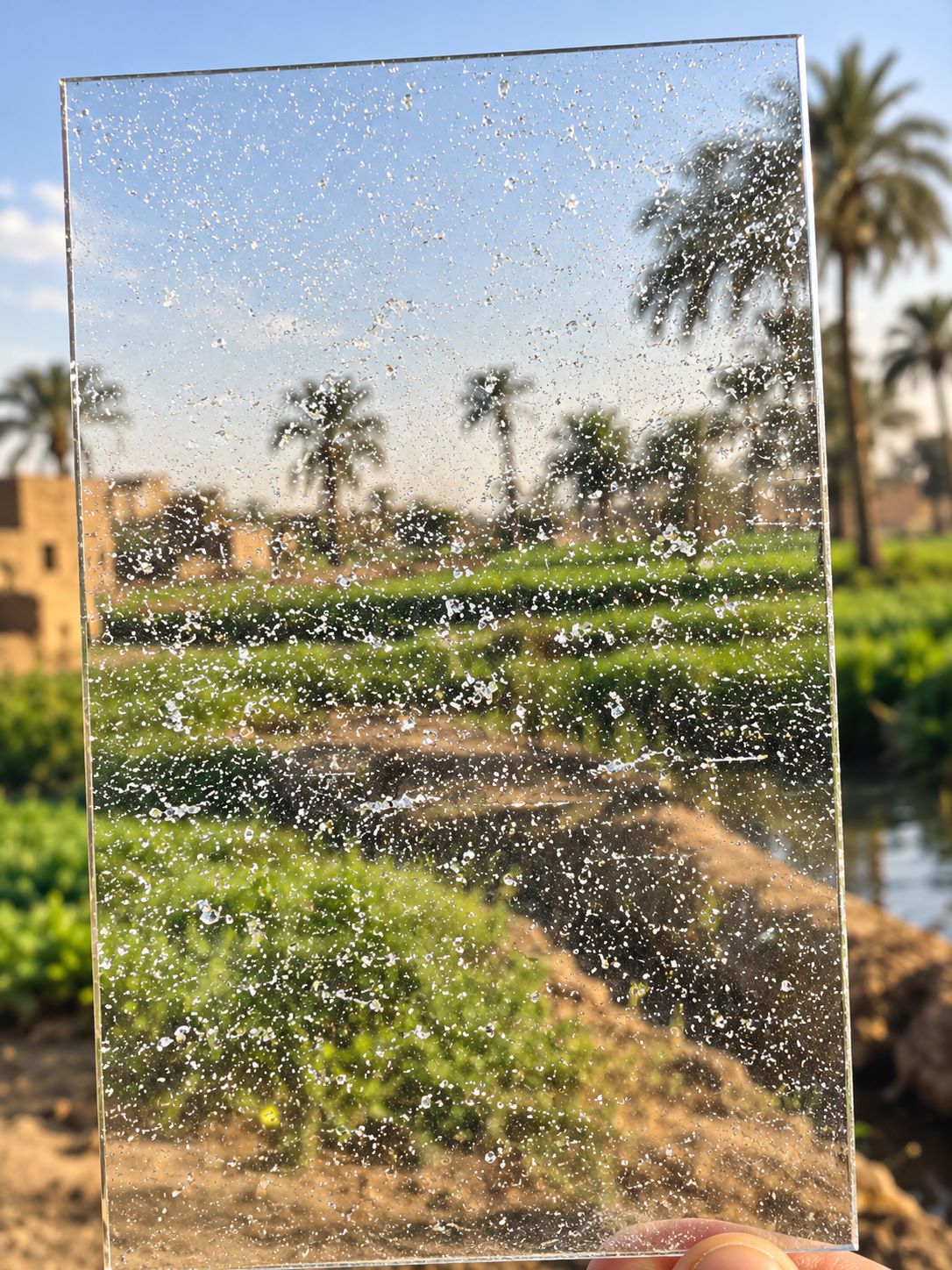
As worker bees walk across the wired grid, the electrical sensation is interpreted as a localised environmental threat. They release alarm pheromones and aggressively sting the glass surface, depositing infinitesimally small droplets of pure liquid venom. Because the glass cannot trap the stinger, each bee retracts it fully and continues unharmed. Sessions last 20 to 40 minutes to prevent colony stress.
4. The Harvest: Crystallisation, Scraping, and the Art of Preservation
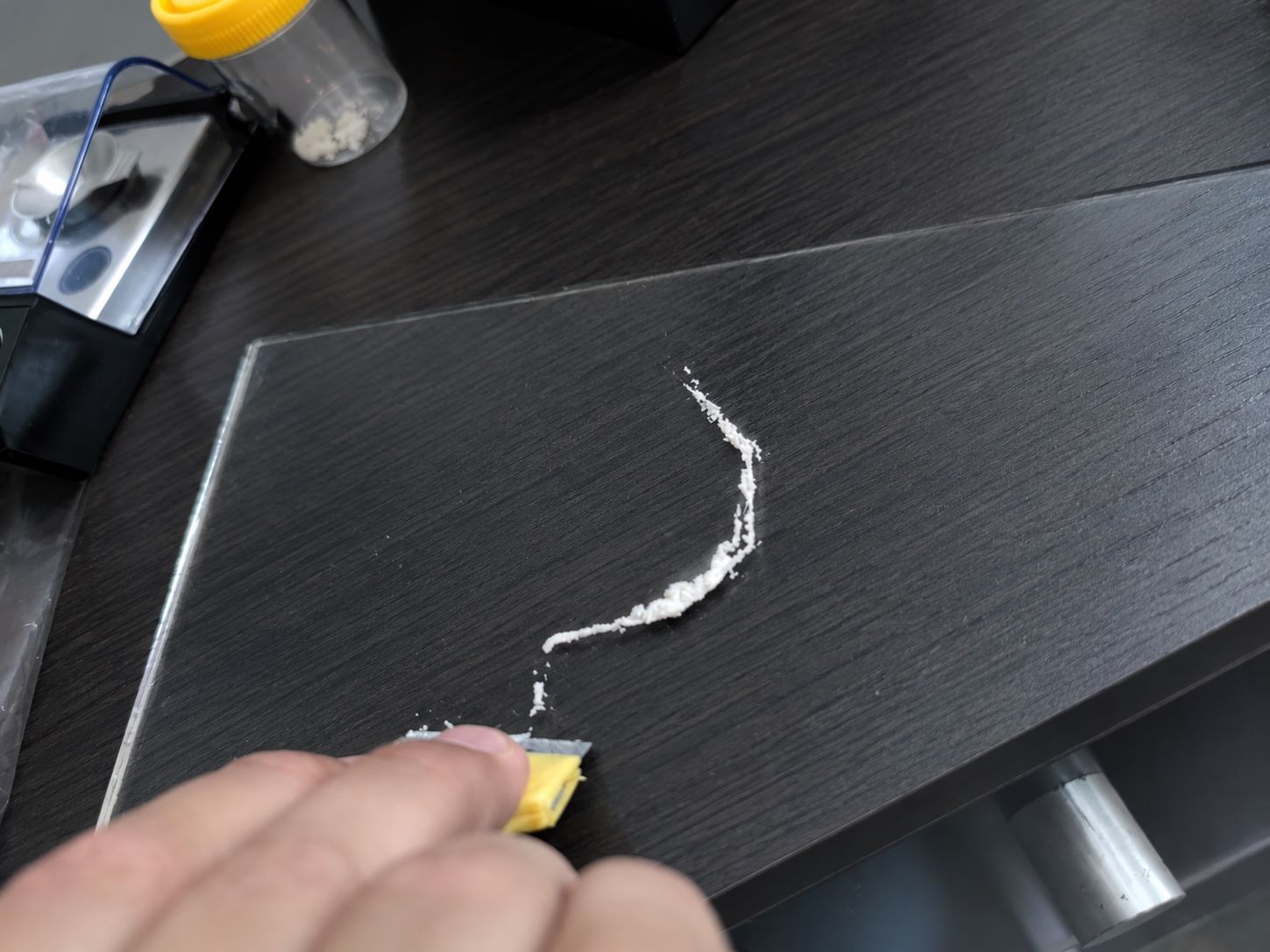
The liquid droplets left on the glass are composed of approximately 88% water, with the remaining 12% consisting of the dense, biologically active payload: Melittin peptides, phospholipase A2 enzymes, apamin, adolapin, histamine, and biogenic amines. In the warm, well-ventilated air surrounding a beehive, evaporation occurs in five to ten minutes, leaving a fine, crystalline, powdery film — pure Apitoxin powder.
Harvesting demands surgical precision. The beekeeper — equipped with airtight laboratory goggles, an N95-grade respiratory mask, and nitrile gloves — works in a sealed, climate-controlled environment. Using sterile, razor-sharp scrapers, the crystalline film is carefully shaved into dark, UV-blocking, hermetically sealed amber glass vials. Properly stored, pharmaceutical-grade Apitoxin retains full bioactivity for two to five years.
The mathematics underscore Apitoxin’s extraordinary value: it requires the combined effort of approximately 10,000 to 15,000 individual bees to produce just one gram of dry powder — explaining why bee venom commands a market value significantly greater than gold itself.
5. The Beekeeper’s Role and Hive Welfare
Responsible beekeepers limit collection sessions to once every two to three weeks per hive, never collect during nutritional stress or extreme temperatures, and continuously monitor queen health and laying patterns. Any sign of colony stress immediately pauses the collection schedule. This is not merely an ethical consideration — it is an economic one: a healthy, thriving colony produces more venom per session than a stressed, weakened one.
6. The Healing Power of Apitoxin: Medical and Cosmetic Applications
Melittin, the key active component of Apitoxin, constitutes over 65% of the dry venom’s weight in high-grade pharmaceutical-quality extracts — one of the most potent naturally occurring anti-inflammatory agents known to science, repeatedly demonstrated to surpass steroidal drugs like hydrocortisone.
In the realm of alternative medicine and Apitherapy, purified bee venom applications include:
- Rheumatoid Arthritis & Osteoarthritis: Micro-injections or medicated creams directly at inflamed joints, aggressively dismantling inflammation, reducing swelling, alleviating chronic pain, and restoring joint mobility.
- Neurological Conditions: Promising clinical research in Parkinson’s disease and multiple sclerosis, with Melittin modulating neuroinflammatory pathways.
- Oncology Research: Melittin possesses potent anti-tumour properties, selectively disrupting cancer cell membranes while leaving healthy cells largely intact.
- Immune System Modulation: Apamin demonstrates significant immunomodulatory effects in autoimmune disease management.
In the luxury cosmetics industry, Apitoxin has earned the illustrious title of “nature’s Botox.” Applied topically, it triggers a mild, controlled inflammatory response, dramatically upregulating the natural synthesis of collagen and elastin. Over consistent use, this visibly reduces wrinkles, restores skin firmness, and delivers a luminous, revitalised complexion — through purely biological mechanisms, with no synthetic neurotoxins or invasive procedures.
The story of Apitoxin is ultimately the story of a perfect partnership: human ingenuity and the extraordinary world of the honeybee. Through the precise, ethical, and science-driven process of modern venom collection, we harness one of nature’s most potent healing molecules — without costing a single bee its life. That, in every sense, is what makes Apitoxin the true liquid gold of the natural world.